Data Analytics Drive Risk Layering in Equine and Soccer Multi-Bet Platforms
Written by Ellis Walter · Oct 24, 2026

Data Analytics Drive Risk Layering in Equine and Soccer Multi-Bet Platforms
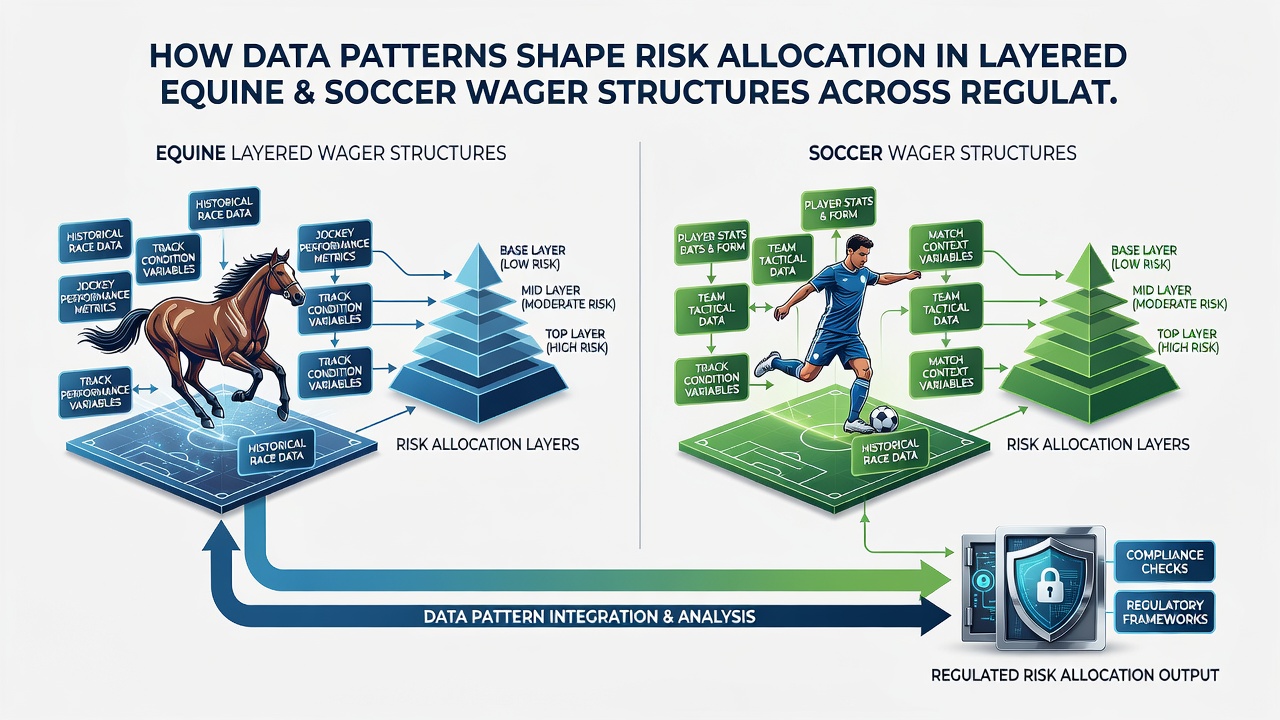
Operators on regulated platforms combine equine and soccer wagers into layered structures where historical performance metrics and real-time variables determine stake distribution across multiple outcomes. Data patterns from past races and matches feed into algorithms that allocate risk by adjusting odds exposure in combined accumulator and each-way formats. Platforms track variables such as track conditions, jockey statistics, team form, and player injury data to recalibrate liability thresholds before accepting multi-leg bets.
Core Components of Layered Betting Models
Equine segments rely on speed ratings, sectional times, and pedigree analysis while soccer layers incorporate possession percentages, expected goals, and set-piece conversion rates. These datasets merge through shared risk pools that spread potential payouts across independent events, and platforms apply weighting factors to prevent over-concentration in any single outcome category. Regulatory requirements in multiple jurisdictions mandate transparent reporting of these allocation methods so that operators demonstrate balanced exposure before offering new product lines.
October 2026 saw several North American and Australian regulators release updated guidelines on multi-sport product design. The updates emphasized granular data segmentation for risk modeling, and operators responded by integrating additional variables such as weather impact scores and referee tendency metrics into their existing frameworks. This shift allowed platforms to refine how they distribute stakes across equine and soccer combinations without exceeding approved liability caps.
Statistical Pattern Recognition Techniques
Supervised learning models process historical bet settlement records to identify correlations between equine race distances and soccer match goal totals. Unsupervised clustering groups similar wager profiles so that risk managers can assign capital reserves proportionally to observed volatility levels. Platforms that apply these techniques report more stable margin retention across seasonal fluctuations in both sports calendars.
One study conducted by researchers at a Canadian university examined three years of cross-sport accumulator data and found that incorporating granular in-play metrics reduced variance in payout distributions by measurable margins. Another analysis from an Australian research institute highlighted how early detection of form shifts in horse racing lines improved soccer leg hedging decisions when the two markets operated under synchronized settlement windows.
Regulatory Oversight Across Jurisdictions
The Nevada Gaming Control Board requires operators to maintain auditable logs of all algorithmic adjustments made to layered products, while the Australian Transaction Reports and Analysis Centre monitors transaction flows for patterns that might indicate systemic risk concentration. These separate frameworks converge on the principle that data transparency supports fair risk allocation, and operators must submit periodic model validation reports to retain licensing status.
Industry groups such as the European Gaming and Betting Association publish comparative studies that track how different regulatory approaches affect product availability. Their reports note that jurisdictions allowing dynamic risk reallocation based on live data streams tend to see higher volumes of multi-sport wagers without corresponding increases in operator insolvency events.
Implementation Examples on Licensed Platforms
Platforms in regulated markets apply tiered exposure limits where the first layer covers base stakes on favorite outcomes, and subsequent layers absorb variance from longer-priced selections. Data feeds update these tiers every few minutes during live events, and risk engines automatically divert portions of new bets into reserve accounts when pattern thresholds are breached. Observers note that this approach maintains platform solvency even during high-volume weekends that feature both major race meetings and football fixtures.
Take one operator that integrated satellite tracking data from equine events with optical player tracking from soccer matches. The combined dataset allowed the platform to adjust accumulator payouts in real time, and settlement records showed improved alignment between expected and actual risk exposure over successive reporting periods.
Conclusion
Data patterns continue to shape how regulated platforms allocate risk across layered equine and soccer wager structures. Statistical models, regulatory reporting requirements, and cross-jurisdictional oversight together determine the boundaries within which operators can offer combined products. As new variables enter the analytical mix each season, platforms adjust their frameworks to keep risk distribution consistent with licensing conditions and observed market behavior.